
Blurred Lines: We’re in the soup now
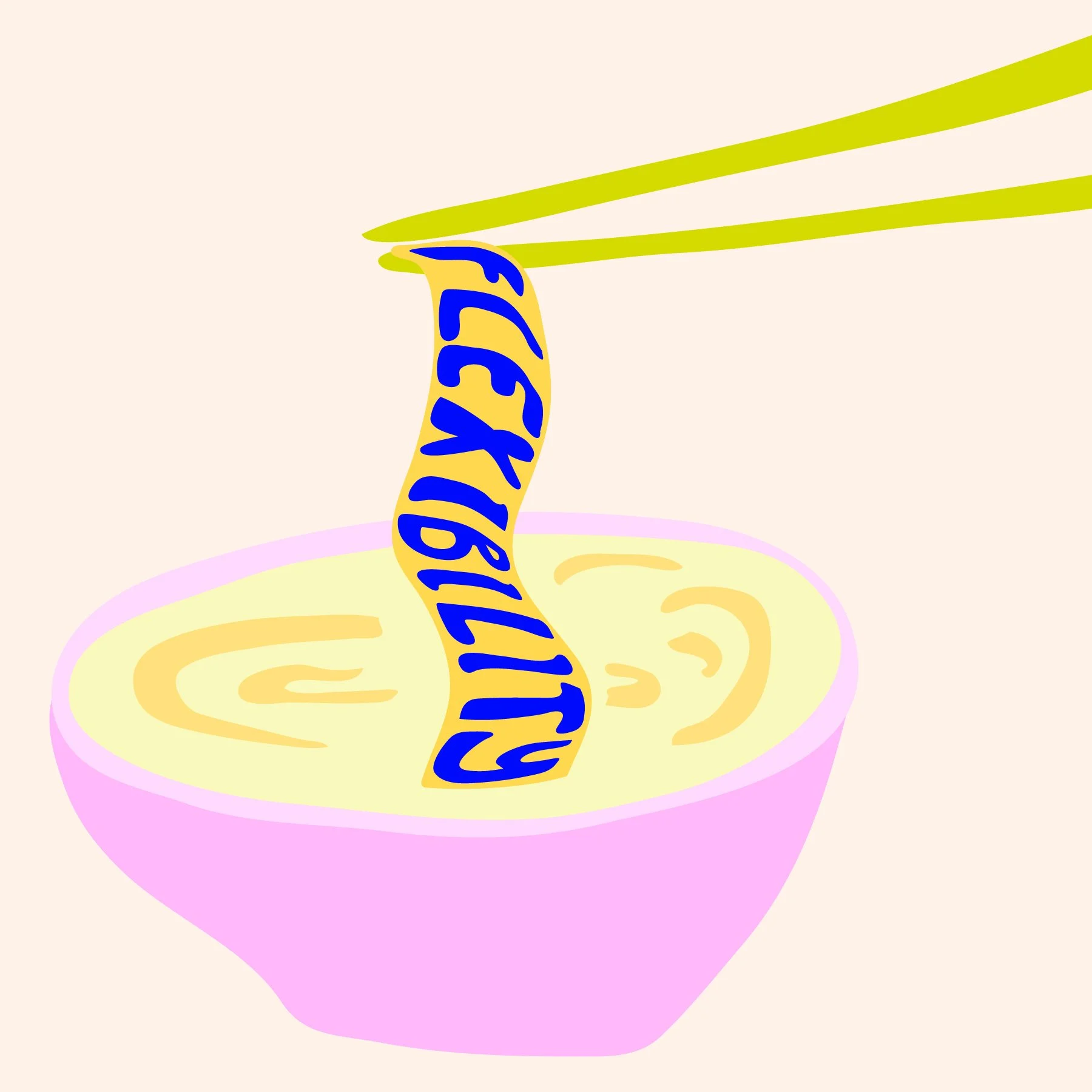
This is part of a series I’m calling 2026 & Beyond - sharing my observations and predictions of what comes next for all of us working in tech, esp. UX & PRODUCT.—
If you’ve talked to me in a professional context at all (or listened to my Condens webinar “The Future of UX Research is Strategic”) in the past year and a half, you’ve probably heard me say the word “flexibility”. Over and over. Annoyingly, even.🫣
But I promise it wasn’t me just making things up out of thin air. We all inherently bring value through our lived experiences and skillsets. But how we demonstrate our value is shifting. That is why flexibility is so key right now.
My previous manager said that with the advent of AI, we’re in a bit of a “Wild West” and I’m inclined to agree. Things are changing, fast and constantly. What works today doesn’t work tomorrow. What works tomorrow doesn’t work next week. We flip flop back and forth between “all in on AI” to “pulling back on AI”. We can guess where things will land but we simply don’t know. It can feel overwhelming (it is). It can also feel like we don’t have control over our own lives, professional or otherwise. But I look at flexibility as a mindset reframe. It’s like the active version of a passive “going limp”. Be flexible to get through the chaos.
Shifting Value
For years, we've judged and measured UX researchers by rigor, methodologies, sample sizes. How rigorous? How many methodologies are you familiar with? What's your sample size? Engineers get measured by lines of code. Designers by pixel perfection and interaction patterns. Product managers by roadmap execution.
But AI is doing something interesting: it's democratizing the outputs of those disciplines. Figma Make can help a strategist prototype rapidly. Claude Code let’s designers ship code independently. AI can help a PM synthesize research at scale. It can generate copy, wireframes, even research discussion guides.
But right now, today, AI lacks the ability to perform critical thinking in a meaningful, non-sloppy way. It can’t think strategically. It can help you think strategically. But it can’t always ask the right questions at the right time. It can't connect user needs to business goals in a way that moves the needle. It can't challenge assumptions or navigate ambiguity. It can't build systems that scale. It can't see around corners. It lacks nuance.
So, if you're a UX researcher, your value comes from thinking critically about what questions matter, why they matter, and how the answers shape direction. You bring strategy to the research plan, the discussion guide, the synthesis. The methodology piece? AI can help with that part.
Same goes for designers, PMs, engineers. The execution part is getting faster, cheaper, more accessible. The thinking part belongs to you.
Blurring Lines
Over the past month, I’ve adopted a new motto. “We’re in the soup now.”
That means: your job title alone doesn't define your value anymore. It’s a signal but it isn’t your full picture. Your ability to think strategically, stay flexible, and skill-blend across disciplines will be your secret weapon. (PS: Rajeev and Joe are great to follow for all things positioning and preparedness!)
You can resist. You can say "that's not my job" and watch someone else figure out how to do it without you. Or you can stay curious. Learn new tools. Get comfortable with ambiguity. Understand that your skillset is bigger than your job title. You are bigger than your job title. (And don’t even get me started on the fact that you are bigger than your professional self, because that’s true too!)
The people who thrive in the next phase of product work will be the ones expanding their lane without stepping on toes. (Don’t forget the ever-important skills of collaboration and communication!)
My Advice?
Learn something that makes you uncomfortable. Explore a tool you've never used. Sit in the ambiguity of not knowing exactly how your role will evolve. Be flexible enough to shape your future. Observe what’s happening around you.
Your strategic thinking matters more now than it ever has. I truly believe that - and I live by that myself. But it only works if you're willing to think beyond the boundaries of what you've always done or “called yourself”.
Stay flexible, friends! ✌️